Marine Grade Copper Nickel 90/10 Pipe Fittings
Copper nickel (CuNi) alloys are the backbone of modern marine engineering, offering unparalleled resistance to biofouling and seawater corrosion. Selecting the right marine pipe fittings is critical for ensuring the longevity and safety of onboard piping systems.
Professional manufacturer of CuNi 90/10 (C70600) copper nickel pipe fittings, including pipes, elbows, flanges, tees, reducers. Compliant with DIN/ASTM/JIS standards, suitable for marine seawater systems.
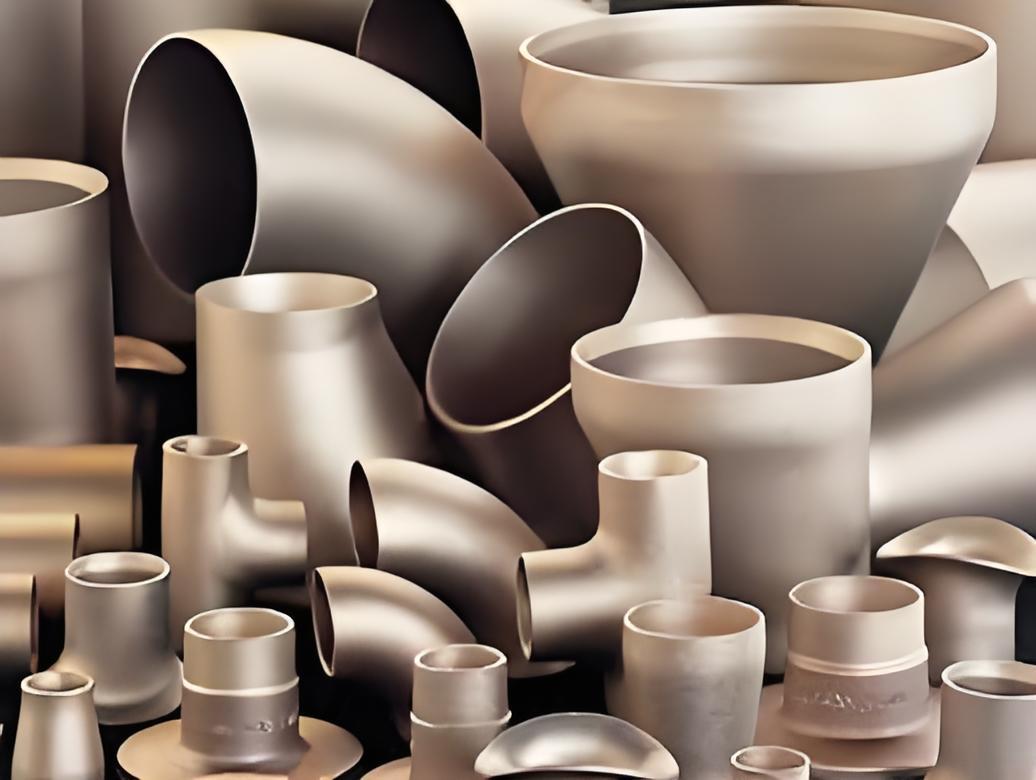
Marine-Grade Purity: We never use recycled scrap copper. Only 100% virgin raw materials ensuring impeccable corrosion resistance and lifespan over 20 years.
Class Society Approved: Our manufacturing processes align with top IACS members (DNV, ABS, CCS). We handle the paperwork, so your vessel passes inspection smoothly.
Seaworthy Packaging: All fittings are treated with anti-tarnish oil, fitted with plastic end caps, and securely packed in fumigation-free plywood cases to prevent ocean transport damage.
Types of Copper Nickel Marine Pipe Fittings:
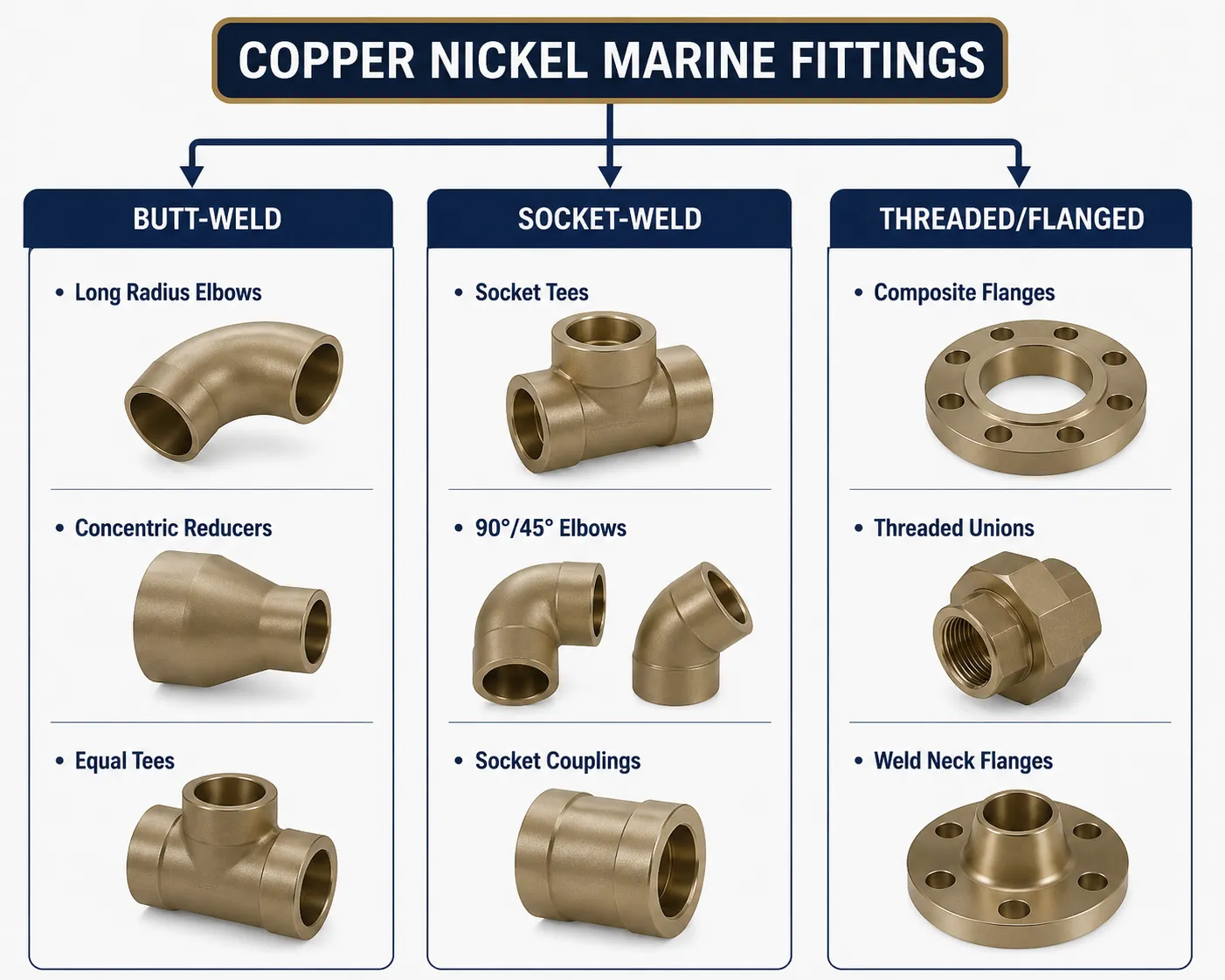
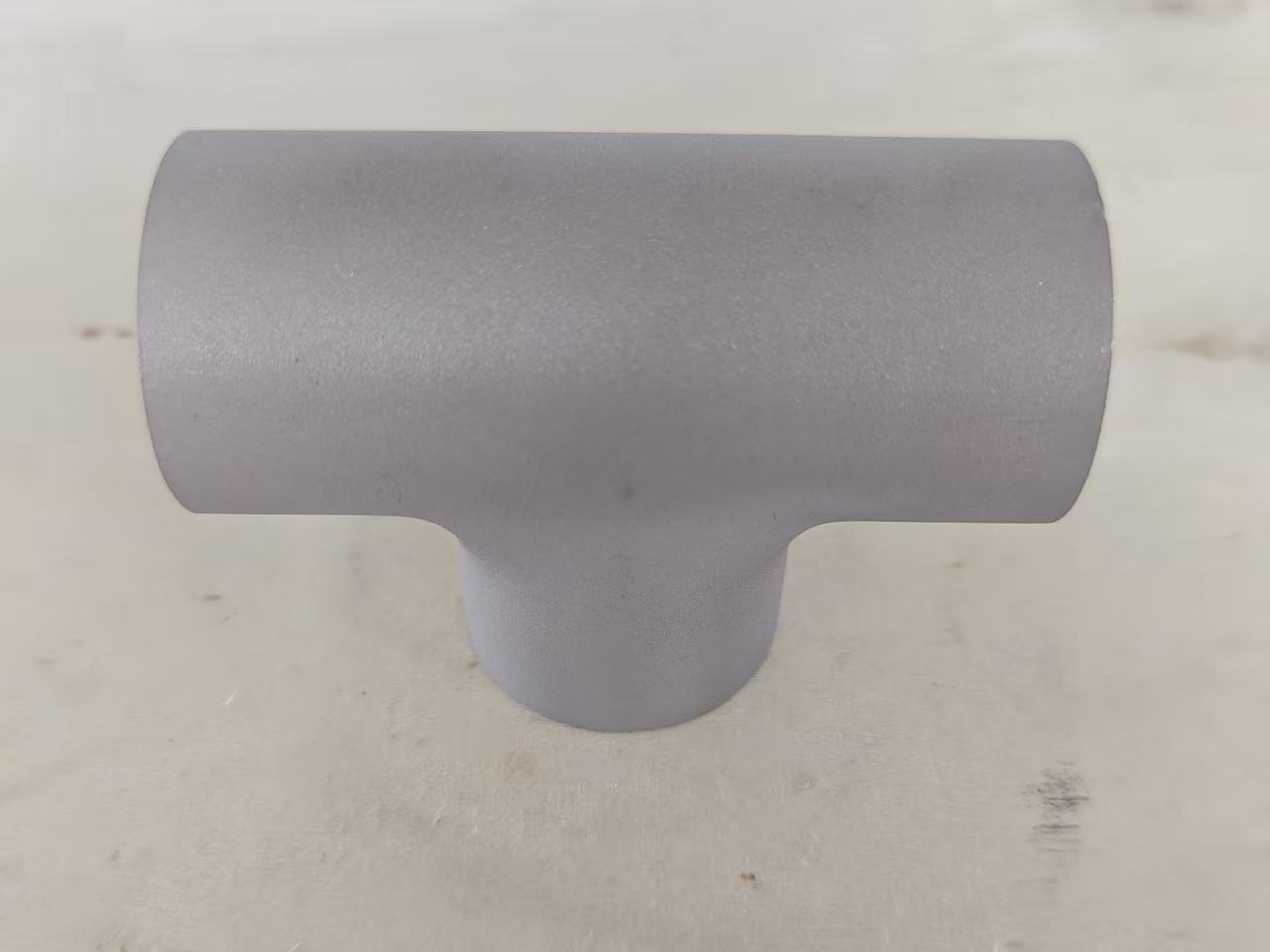
Copper Nickel Equal Tees
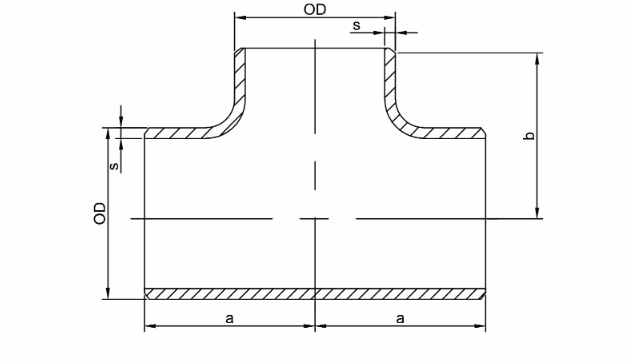
Tees (Equal and Reducing): Allow for reliable 90-degree branch connections.
Specifications
| DN | OD | s 10s | a | b | Weight | |
|---|---|---|---|---|---|---|
| inch | mm | mm | mm | mm | mm | kg |
| 1/2 | 15 | 21.3 | 2.11 | 25 | 25 | 0.11 |
| 3/4 | 20 | 26.7 | 2.11 | 29 | 29 | 0.21 |
| 1 | 25 | 33.4 | 2.77 | 38 | 38 | 0.33 |
| 1 1/4 | 32 | 42.2 | 2.77 | 48 | 48 | 0.55 |
| 1 1/2 | 40 | 48.3 | 2.77 | 57 | 57 | 0.83 |
| 2 | 50 | 60.3 | 2.77 | 64 | 64 | 1.11 |
| 2 1/2 | 65 | 73 | 3.05 | 76 | 76 | 1.95 |
| 3 | 80 | 88.9 | 3.05 | 86 | 86 | 2.44 |
| 4 | 100 | 114.3 | 3.05 | 105 | 105 | 3.3 |
| 6 | 150 | 168.3 | 3.4 | 143 | 143 | 7.2 |
| 8 | 200 | 219.1 | 3.76 | 178 | 178 | 10.6 |
| 10 | 250 | 273 | 4.19 | 216 | 216 | 20.95 |
| 12 | 300 | 323.8 | 4.57 | 254 | 254 | 32.8 |
| 14 | 350 | 355.6 | 4.78 | 279 | 279 | 45.6 |
| 16 | 400 | 406.4 | 4.78 | 305 | 305 | 60.1 |
| 18 | 450 | 457 | 4.78 | 343 | 343 | 76.5 |
| 20 | 500 | 508 | 5.54 | 381 | 381 | 107.6 |
| 24 | 600 | 610 | 6.35 | 432 | 432 | 160.9 |
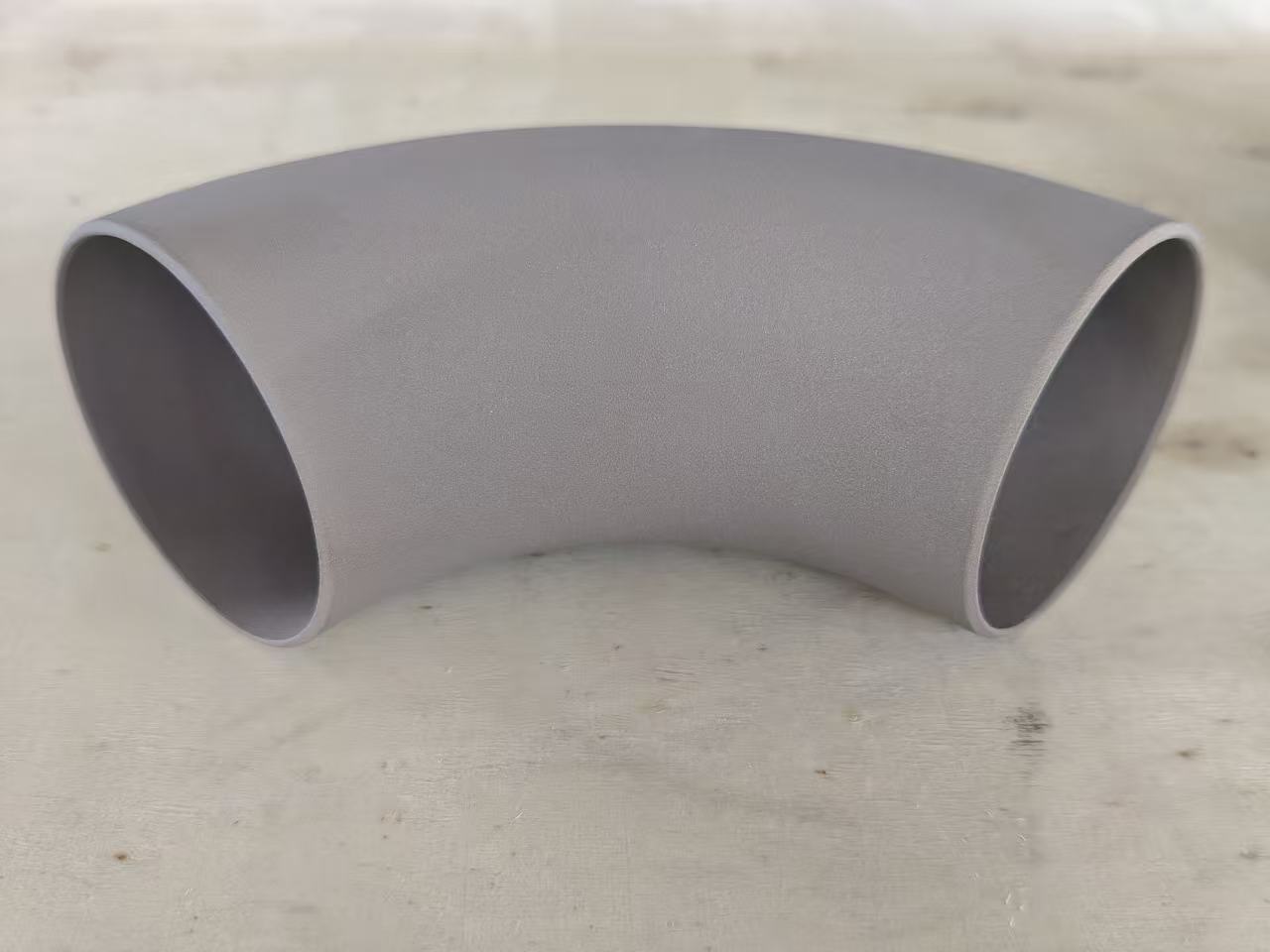
Copper Nickel Elbows
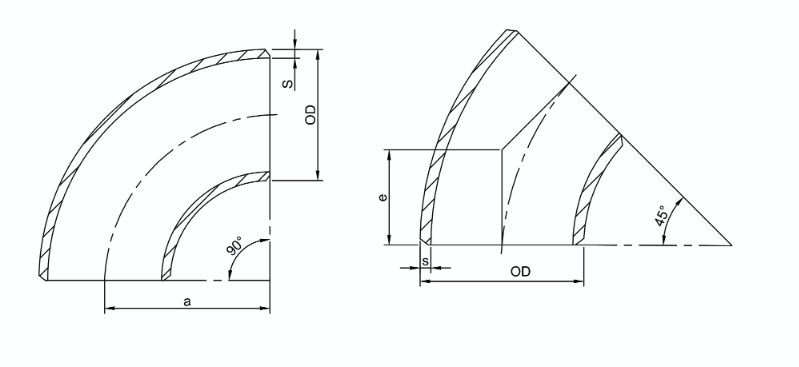
Elbows (90° and 45°): Available in Long Radius (LR) and Short Radius (SR) to manage flow and space constraints.
Specifications
| specification | OD | S | a | ≈e | Weight | Weight | |
|---|---|---|---|---|---|---|---|
| 45° | 90° | ||||||
| inch | DN | mm | mm | mm | mm | kg | kg |
| 1/2 | 15 | 20 | 1 | 25 | 10.4 | 0.013 | 0.026 |
| 3/4 | 20 | 25 | 1.5 | 27.5 | 11.4 | 0.029 | 0.058 |
| 1 | 25 | 30 | 1.5 | 33.5 | 14 | 0.030 | 0.06 |
| 1 1/4 | 32 | 38 | 1.5 | 45 | 19 | 0.06 | 0.12 |
| 1 1/2 | 40 | 44.5 | 1.5 | 51 | 21 | 0.07 | 0.14 |
| 2 | 50 | 57 | 1.5 | 72 | 30 | 0.13 | 0.26 |
| 2 1/2 | 65 | 76 | 2 | 95 | 39 | 0.31 | 0.62 |
| 3 | 80 | 89 | 2 | 114.5 | 47 | 0.44 | 0.88 |
| 4 | 100 | 108 | 2.5 | 142.5 | 59 | 0.88 | 1.66 |
| 5 | 125 | 133 | 2.5 | 181 | 75 | 1.30 | 2.60 |
| 6 | 150 | 159 | 2.5 | 216 | 89 | 1.85 | 3.70 |
| 7 | 175 | 194 | 3 | 270 | 112 | 2.85 | 5.70 |
| 8 | 200 | 219 | 3 | 305 | 126 | 4.35 | 8.70 |
| 10 | 250 | 267 | 3 | 378 | 157 | 6.55 | 13.10 |
| 12 | 300 | 324 | 4 | 457 | 189 | 12.80 | 25.60 |
| 14 | 350 | 368 | 4 | 533.5 | 221 | 17.00 | 34.00 |
| 16 | 400 | 419 | 4 | 609.5 | 252 | 24.85 | 49.70 |
| 18 | 450 | 457 | 4.5 | 686 | 284 | 30.95 | 61.90 |
| 20 | 500 | 508 | 5 | 762 | 316 | 41.95 | 83.90 |
| 24 | 600 | 610 | 5 | 914 | 379 | 62.00 | 113.00 |
Copper Nickel Reducers
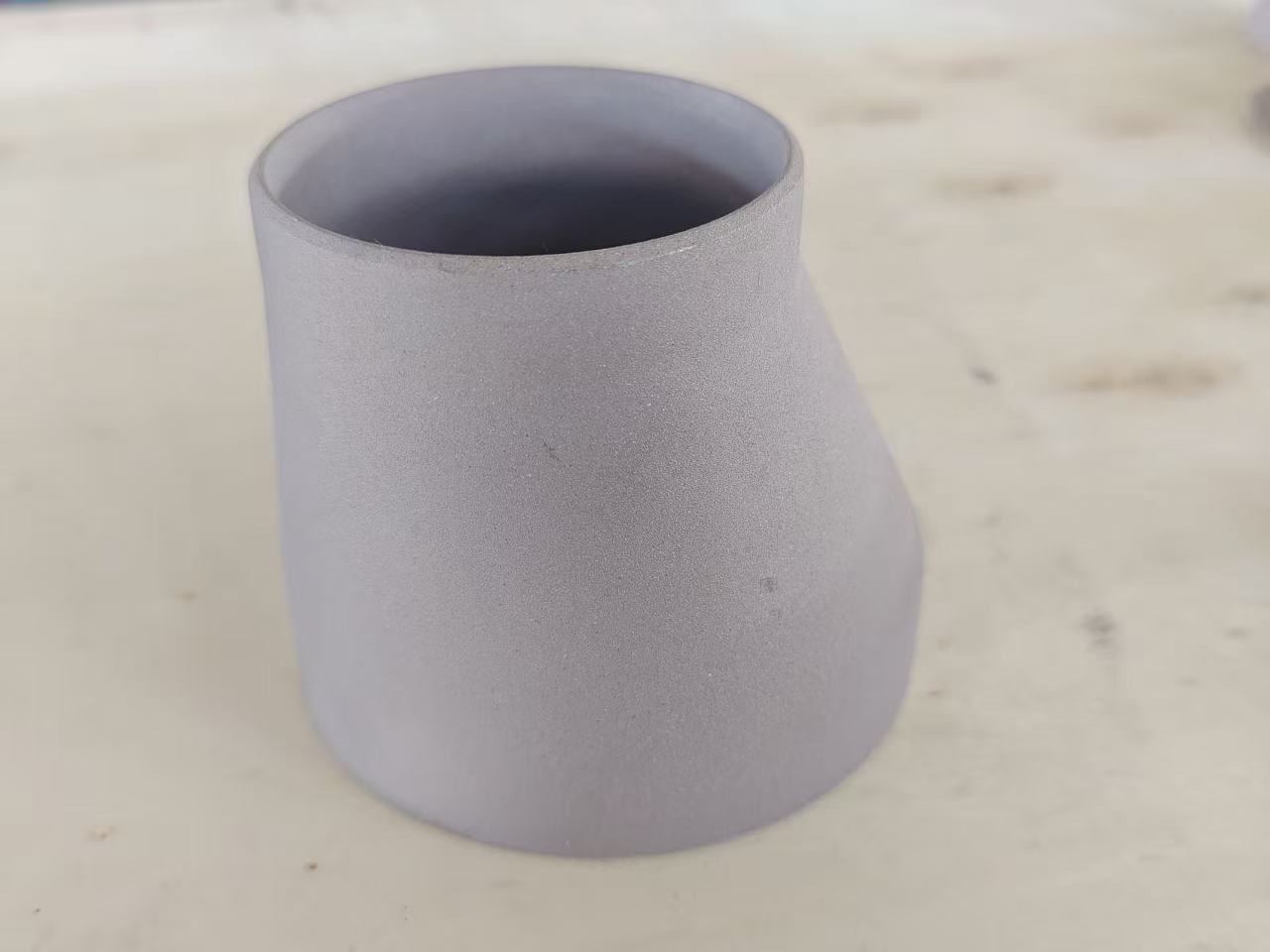
Reducers (Concentric and Eccentric): Smoothly transition piping diameters while maintaining system pressure.
Specifications
| specification | OD1 XOD2 | S1XS2 | L | Weight | |
|---|---|---|---|---|---|
| inch | DN | mm | mm | mm | kg |
| 1/2"x3/8" | 15x10 | 20x16 | 1x1 | 30 | 0.015 |
| 3/4"x3/8" | 20x10 | 25x16 | 1.5x1 | 30 | 0.020 |
| 3/4"x1/2" | 20x15 | 25x20 | 1.5x1 | 30 | 0.023 |
| 1"x3/8" | 25x10 | 30x16 | 1.5x1 | 35 | 0.030 |
| 1"x1/2" | 25x15 | 30x20 | 1.5x1 | 35 | 0.033 |
| 1"x3/4" | 25x20 | 30x25 | 1.5x1.5 | 35 | 0.035 |
| 1 1/4"x3/8" | 32x10 | 38x16 | 1.5x1 | 50 | 0.038 |
| 1 1/4"x1/2" | 32x15 | 38x20 | 1.5x1 | 50 | 0.040 |
| 1 1/4"x3/4" | 32x20 | 38x25 | 1.5x1.5 | 50 | 0.043 |
| 1 1/4"x1" | 32x25 | 38x30 | 1.5x1.5 | 50 | 0.045 |
| 1 1/2"x3/8" | 40x15 | 44.5x20 | 1.5x1 | 80 | 0.05 |
| 1 1/2"x3/4" | 40x20 | 44.5x25 | 1.5x1.5 | 80 | 0.06 |
| 1 1/2"x1" | 40x25 | 44.5x30 | 1.5x1.5 | 80 | 0.07 |
| 1 1/2"x1 1/4" | 40x32 | 44.5x38 | 1.5x1.5 | 80 | 0.08 |
| 2"x3/4" | 50x20 | 57x25 | 1.5x1.5 | 80 | 0.11 |
| 2"x1" | 50x25 | 57x30 | 1.5x1.5 | 80 | 0.12 |
| 2"x1 1/4" | 50x32 | 57x38 | 1.5x1.5 | 80 | 0.14 |
| 2"x1 1/2" | 50x40 | 57x44.5 | 1.5x1.5 | 80 | 0.16 |
| 2 1/2"x1" | 65x25 | 76x30 | 2x1.5 | 90 | 0.25 |
| 2 1/2"x1 1/4" | 65x32 | 76x38 | 2x1.5 | 90 | 0.27 |
| 2 1/2"x1 1/2" | 65x40 | 76x44.5 | 2x1.5 | 90 | 0.30 |
| 2 1/2"x2" | 65x50 | 76x57 | 2x1.5 | 90 | 0.33 |
| 3"x1 1/4" | 80x32 | 89x38 | 2x1.5 | 90 | 0.46 |
| 3"x1 1/2" | 80x40 | 89x44.5 | 2x1.5 | 90 | 0.48 |
| 3"x2" | 80x50 | 89x57 | 2x1.5 | 90 | 0.49 |
| 3"x1 1/2" | 80x65 | 89x76 | 2x2 | 90 | 0.51 |
| 4"x1 1/2" | 100x40 | 108x44.5 | 2.5x1.5 | 100 | 0.58 |
| 4"x2" | 100x50 | 108x57 | 2.5x1.5 | 100 | 0.60 |
| 4"x2 1/2" | 100x65 | 108x76 | 2.5x2 | 100 | 0.66 |

Marine Industry Applications
Copper nickel pipe fittings are deployed across critical vessel subsystems where failure is not an option:
- Seawater Cooling Systems: Supplying cooling water to main engines, auxiliary systems, and heat exchangers.
- Firefighting Lines: Ensuring high integrity and readiness for fire main systems without clogging from marine growth.
- Ballast Water Systems: Withstanding the aggressive corrosive nature of variable ballast waters.
- Desalination & Reverse Osmosis Plants: Managing highly concentrated brine and saltwater streams onboard.
- Splash Zone Piping: Resisting both atmospheric salt air and constant wave impact on offshore platforms.
Frequently Asked Questions (FAQ)
90/10 CuNi (C70600) contains 10% nickel and is the industry standard for most commercial marine cooling and ballast lines due to its cost efficiency. 70/30 CuNi (C71500) contains 30% nickel, offering higher pressure ratings, superior temperature resistance, and better performance against high flow velocities, making it ideal for naval applications.
Can copper nickel fittings be welded to stainless steel?Yes, but it requires careful filler metal selection (such as ERNiCu-7 or Monel fillers) and strict adherence to welding procedures to prevent hot cracking and galvanic corrosion at the joint interfaces.
What certifications should I look for when purchasing marine pipe fittings?Look for EN 10204 3.1 or 3.2 Material Test Reports (MTRs), along with Classification Society Type Approvals from bodies such as ABS, DNV, Lloyd’s Register (LR), or CCS.
How does biofouling resistance work in copper nickel fittings?Copper nickel alloys slowly release copper ions at the surface level. This micro-release creates an inhospitable environment for marine organisms like barnacles and mussels, preventing them from adhering to the internal walls of the fittings.